Climate
    • What We Know
    • What Can Be Done
    • Climate Primer
    • Podcast
    • Explainers
    • Climate Questions
    • For Educators
    • News
    • Events
    • Resources
  • Search
Search
MIT

Main navigation

    • What We Know
    • What Can Be Done
    • Climate Primer
    • Podcast
    • Explainers
    • Climate Questions
    • For Educators
    • News
    • Events
    • Resources
  • Search
PostJuly 20, 2020

The MIT Environmental Solution Initiative's Rapid Response Group tackles the reasons behind MIT’s dropping recycling rate.

MIT ESI Rapid Response Group has found that only 35% of recyclable material at MIT is making it to recycling bins. In order to improve waste management and recycling they are also taking a closer look at reducing food waste and food on recyclables. Read more here. 

by Abdul Latif Jameel Water and Food Systems Lab (J-WAFS)
Topics
MIT Action
Waste

Related Posts

PostOctober 26, 2026

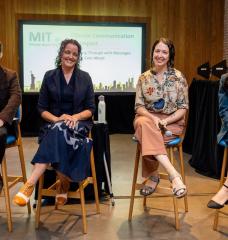
At New York Climate Week 2026, MIT connects with a global network

MIT News
Aaron Krol, managing editor of the MIT Climate Change Engagement Program, led MIT’s Climate Week NYC session “Climate Communication for Impact,” which featured (left to right) Allison Crimmons of Talking Climate, Arielle Tannenbaum of Climate Central, and Mallika Talwar of Yale University.
PostOctober 20, 2026

MIT student team CERBERUZ wins NASA LunaRecycle Centennial Challenge, turni...

MIT News
MIT's CERBERUZ team took first prize in both the Prototype and Digital Twin tracks for its lunar waste recycling system.
PostOctober 13, 2026

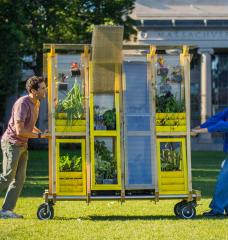
MIT Farm is growing

Department of Urban Studies and Planning MIT
Zachary Rapaport (left) and Aleks Banaś move their farm cart across the MIT campus. The two graduate architecture students co-designed and built the cart.
PostSeptember 21, 2026

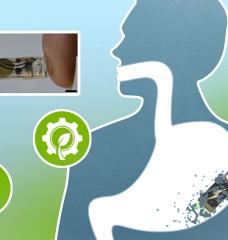
Batteries that safely break down in the GI tract could improve ingestible d...

MIT News
Using materials that are safe for human consumption, MIT researchers have created tiny batteries that could be used to power ingestible electronic devices. The entire battery is bioresorbable, meaning that it can be fully broken down and absorbed by the body.

MIT Climate Knowledge in Your Inbox


MIT Groups Log In

Log In

Footer

  • About
  • Terms & Conditions
  • Privacy Policy
  • Accessibility
  • Contact
MIT Climate Project
MIT
  • Instagram
  • TikTok
  • YouTube
  • Simplecast
Communicator Award Winner