Climate
    • What We Know
    • What Can Be Done
    • Climate Primer
    • Podcast
    • Explainers
    • Climate Questions
    • For Educators
    • News
    • Events
    • Resources
  • Search
Search
MIT

Main navigation

    • What We Know
    • What Can Be Done
    • Climate Primer
    • Podcast
    • Explainers
    • Climate Questions
    • For Educators
    • News
    • Events
    • Resources
  • Search
PostApril 30, 2019

India’s water crisis is already here. Climate change will compound it.

In India, studies now show that in excess of 600 million individuals face “acute water shortages”. Of the water that is not lost as runoff into the ocean, 70% is contaminated and results in countless illnesses and deaths. In this article, James Temple, MIT Technology Review’s senior editor for energy, explores the predicted impact of rising global temperatures on India’s water supply, as well as the dire state the country finds itself in even before the worst of the climate impacts have surfaced. In order to survive the upcoming decades, the nation faces the immense task of learning how to properly manage its erratic water supply.

Read the full article at: https://www.technologyreview.com/s/613344/indias-water-crisis-is-alread…

Image by: Saumya Khandelwal

by MIT Technology Review
Topics
Food, Water & Agriculture
Weather & Natural Disasters

Related Posts

PostNovember 2, 2026

PODCAST: Climate Reveal (Season 3, Episode 1) - Tipping Points

MIT Center for Sustainability Science and Strategy
Climate Reveal Podcast
PostOctober 26, 2026

At New York Climate Week 2026, MIT connects with a global network

MIT News
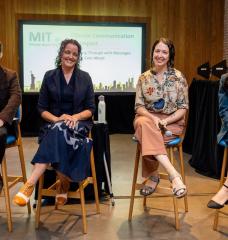
Aaron Krol, managing editor of the MIT Climate Change Engagement Program, led MIT’s Climate Week NYC session “Climate Communication for Impact,” which featured (left to right) Allison Crimmons of Talking Climate, Arielle Tannenbaum of Climate Central, and Mallika Talwar of Yale University.
PostOctober 14, 2026

Researchers improve weather forecasts looking two to six weeks out

MIT News
A new technique significantly improves weather forecasting beyond two weeks. The researchers developed a machine-learning model that learns to correct errors in existing forecasting models to improve their output over the two-to-six-week time frame, including for extreme weather events.
PostOctober 13, 2026

MIT Farm is growing

Department of Urban Studies and Planning MIT
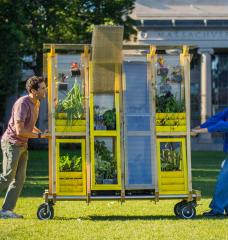
Zachary Rapaport (left) and Aleks Banaś move their farm cart across the MIT campus. The two graduate architecture students co-designed and built the cart.

MIT Climate Knowledge in Your Inbox


MIT Groups Log In

Log In

Footer

  • About
  • Terms & Conditions
  • Privacy Policy
  • Accessibility
  • Contact
MIT Climate Project
MIT
  • Instagram
  • TikTok
  • YouTube
  • Simplecast
Communicator Award Winner