Climate
Search

Main navigation

  • Climate 101
    • What We Know
    • What Can Be Done
    • Climate Primer
  • Explore
    • Podcast
    • Explainers
    • Climate Questions
    • For Educators
  • MIT Action
    • News
    • Events
    • Resources
  • Search
MIT

Main navigation

  • Climate 101
    • What We Know
    • What Can Be Done
    • Climate Primer
  • Explore
    • Podcast
    • Explainers
    • Climate Questions
    • For Educators
  • MIT Action
    • News
    • Events
    • Resources
  • Search
PostAugust 9, 2019

"Wood Pellets Draw Fire as Alternative to Coal"

Professor John Sterman's (co-faculty director of the MIT Sloan Sustainability Initiative) research on biomass continues to make waves. A new lawsuit says European policy on using pellets will increase greenhouse-gas emissions:

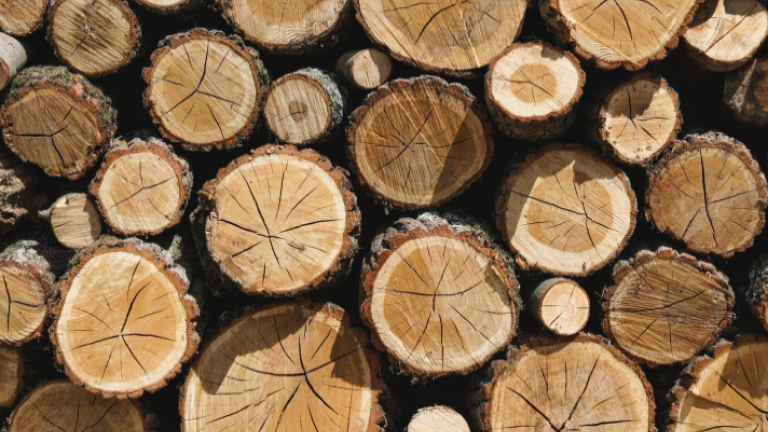
A study last year by Massachusetts Institute of Technology professor John Sterman and colleagues said burning wood for power releases more carbon dioxide into the atmosphere per unit of electricity than coal. The “payback time” for forests to offset that carbon, the study said, ranges from 44 to 104 years, depending on the type of forest, whether it’s harvested sustainably or by clear-cutting, and if it’s able to fully regrow.

Read the full article from the Wall Street Journal here

Article by Charlie McGee

by MIT Sloan Sustainability Initiative
Topics
Energy
Forests
Government & Policy
Alternative Fuels

Related Posts

PostJuly 27, 2026

The Value of Storage in Electricity Distribution: The Role of Markets

MIT Center for Energy and Environmental Policy Research
PostJuly 16, 2026

For energy systems that power a reliable grid, the future is all about loca...

MIT News
MIT researchers have created a way to make more climate-informed energy siting choices and shown how it can be used to make energy systems more resilient and reduce blackouts.
PostJuly 7, 2026

Hydrogen: clean fuel of the future — if we can find a cheap and clean way...

MIT Energy Initiative
The Hydrogen Carrier Analysis Tool (HyCAT), developed by a MITEI-led team, helps users determine the costs and carbon emissions incurred when transporting and delivering hydrogen fuel.
PostJuly 1, 2026

Advancing a scenario-based modeling framework for long-term land-use planni...

MIT Center for Sustainability Science and Strategy
Mississippi River watershed

MIT Climate Knowledge in Your Inbox


MIT Groups Log In

Log In

Footer

  • About
  • Terms & Conditions
  • Privacy Policy
  • Accessibility
  • Contact
MIT Climate Project
MIT
  • Instagram
  • TikTok
  • YouTube
  • Simplecast
Communicator Award Winner