Climate
Search

Main navigation

  • Climate 101
    • What We Know
    • What Can Be Done
    • Climate Primer
  • Explore
    • Podcast
    • Explainers
    • Climate Questions
    • For Educators
  • MIT Action
    • News
    • Events
    • Resources
  • Search
MIT

Main navigation

  • Climate 101
    • What We Know
    • What Can Be Done
    • Climate Primer
  • Explore
    • Podcast
    • Explainers
    • Climate Questions
    • For Educators
  • MIT Action
    • News
    • Events
    • Resources
  • Search
PostMay 28, 2019

Why the world’s biggest CO2- sucking plant would be used to… err, dig up more oil?

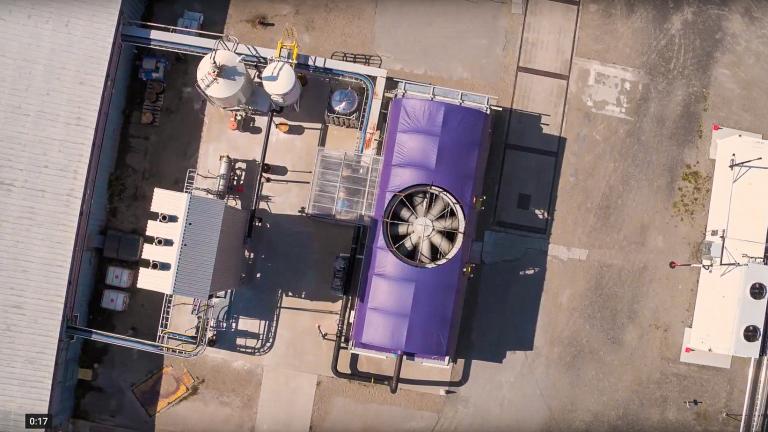
Carbon Engineering, a Canadian startup, is planning on building the largest carbon dioxide removal plant to date. While its completion will represent great progress in the direct air capture sector, the oil and and gas company Occidental plans on injecting this carbon dioxide underground to free up oil. James Temple, MIT Technology Review’s senior editor for energy, explores the facts and logistics surrounding this project, including the possibility of using enhanced oil recovery to forward the direct air capture industry.

Read the full article at: https://www.technologyreview.com/s/613579/why-the-worlds-biggest-cosub2…

Image by: Carbon Engineering

by MIT Technology Review
Topics
Carbon Capture
Energy
Fossil Fuels

Related Posts

PostApril 6, 2026

Connecting climate and sustainability: Synergies and tradeoffs

MIT Center for Sustainability Science and Strategy
MIT Global Change Forum 48
PodcastMarch 26, 2026

E5: The (micro)grid of the future

Ask MIT Climate Podcast
Ask MIT Climate
PostMarch 18, 2026

Sustaining diplomacy amid competition in US-China relations

MIT Energy Initiative
Nicholas Burns, former U.S. ambassador to the People’s Republic of China, emphasized the impact that the two countries have on the global order, and how that influence could be directed toward addressing climate change.
PostMarch 18, 2026

Turning extreme heat into large-scale energy storage

MIT News
In Fourth Power’s thermal battery, thermophotovoltaic (TPV) power sticks can be moved in and out of the light, which allows the system to respond quickly and flexibly to grid needs.

MIT Climate Knowledge in Your Inbox


MIT Groups Log In

Log In

Footer

  • About
  • Terms & Conditions
  • Privacy Policy
  • Accessibility
  • Contact
MIT Climate Project
MIT
  • Instagram
  • TikTok
  • YouTube
  • Simplecast
Communicator Award Winner