Climate
    • What We Know
    • What Can Be Done
    • Climate Primer
    • Podcast
    • Explainers
    • Climate Questions
    • For Educators
    • News
    • Events
    • Resources
  • Search
Search
MIT

Main navigation

    • What We Know
    • What Can Be Done
    • Climate Primer
    • Podcast
    • Explainers
    • Climate Questions
    • For Educators
    • News
    • Events
    • Resources
  • Search
PostMarch 8, 2021

As the Texas power crisis shows, our infrastructure is vulnerable to extreme weather

Texans waiting in the rain

The recent Texas energy crisis has brought to light that, more than ever, we are in need of climate resilience. "[But] resilience is more than just preparing for disasters. It’s an opportunity to invest in our communities for fair weather as well as foul. Climate adaptation comes with a hefty price tag, but it can make our cities more livable, our water cleaner, and our homes safer. The cost of inaction—in both dollars and lives—is far greater," write Sarah Fletcher, assistant professor at Stanford University, and Jesse Jenkins, assistant professor at Princeton University, for the MIT Technology Review.

Read the full story at: https://www.technologyreview.com/2021/03/06/1020389/texas-power-crisis-vulnerable-infrastructure-extreme-weather/

Image by: David J. Phillip

by MIT Technology Review
Topics
Adaptation
Energy
Weather & Natural Disasters

Related Posts

PostNovember 17, 2026

Tariffs, Global Value Chains, and the Incidence of Protection: Evidence fro...

MIT Center for Energy and Environmental Policy Research
PostNovember 2, 2026

PODCAST: Climate Reveal (Season 3, Episode 1) - Tipping Points

MIT Center for Sustainability Science and Strategy
Climate Reveal Podcast
PostNovember 2, 2026

Powering up for a pivotal moment

MIT Energy Initiative
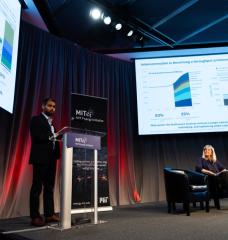
At the 2026 Energizing@MIT: MITEI’s Annual Research Conference, MITEI principal research scientist Deepjyoti Deka (left) presented his Seed Innovation Fund project on accelerating energy planning in the era of data centers through generative AI.
PostOctober 30, 2026

Study pinpoints states with steepest warming trends since 1980

MIT News
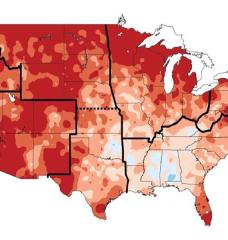
A new study reports global-warming-attributed trends in monthly-averaged maximum daily temperature for every U.S. state. Shown here are temperature changes (highest increases in deeper red and dark orange) between 1991 and 2012 compared to the average temperature between 1901 and 1960.

MIT Climate Knowledge in Your Inbox


MIT Groups Log In

Log In

Footer

  • About
  • Terms & Conditions
  • Privacy Policy
  • Accessibility
  • Contact
MIT Climate Project
MIT
  • Instagram
  • TikTok
  • YouTube
  • Simplecast
Communicator Award Winner