Climate
Search

Main navigation

  • Climate 101
    • What We Know
    • What Can Be Done
    • Climate Primer
  • Explore
    • Podcast
    • Explainers
    • Climate Questions
    • For Educators
  • MIT Action
    • News
    • Events
    • Resources
  • Search
MIT

Main navigation

  • Climate 101
    • What We Know
    • What Can Be Done
    • Climate Primer
  • Explore
    • Podcast
    • Explainers
    • Climate Questions
    • For Educators
  • MIT Action
    • News
    • Events
    • Resources
  • Search
PostNovember 5, 2019

Report: Climate-Related Financial Disclosures - The Use of Scenarios

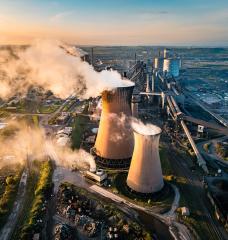
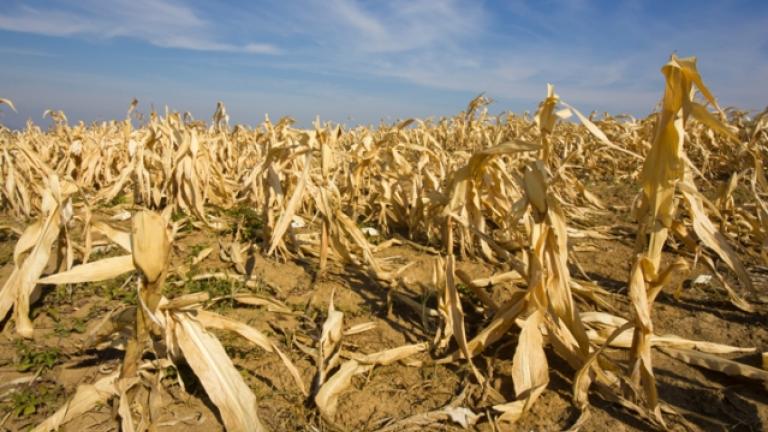
This MIT report, Climate-Related Financial Disclosures: The Use of Scenarios, outlines a series of recommendations on how companies, particularly those in the oil and gas industry, can use scenarios to effectively disclose risks and opportunities they face as a result of global climate change.

The report was organized by the office of the Vice President for Research and written by a working group of MIT faculty and staff members. It builds on insights gained from a workshop held at MIT last year, which included representatives from oil and gas companies, credit rating agencies, investment firms, and nongovernmental organizations, along with academics and other entities engaged in the production of global climate scenarios.

Download the report

by MIT Climate Action
Topics
Fossil Fuels
Finance & Economics

Related Posts

PostJuly 7, 2026

Hydrogen: clean fuel of the future — if we can find a cheap and clean way...

MIT Energy Initiative
The Hydrogen Carrier Analysis Tool (HyCAT), developed by a MITEI-led team, helps users determine the costs and carbon emissions incurred when transporting and delivering hydrogen fuel.
PostJune 30, 2026

How Uncertainty Shapes Electricity Storage Decisions

MIT Center for Energy and Environmental Policy Research
PostJune 26, 2026

How data centers can better manage energy use

MIT News
“There are two dimensions that data centers have to make decisions about,” Christopher Knittel says. “One is how much of their load in any one time period is flexible. And two, how many hours, plus or minus, can they move that computation?”
PostMay 20, 2026

Can we limit global warming to 1.5°C while protecting 30% of the Earth’s...

MIT Center for Sustainability Science and Strategy
A new MIT CS3 study explores how to balance climate change and biodiversity goals.

MIT Climate Knowledge in Your Inbox


MIT Groups Log In

Log In

Footer

  • About
  • Terms & Conditions
  • Privacy Policy
  • Accessibility
  • Contact
MIT Climate Project
MIT
  • Instagram
  • TikTok
  • YouTube
  • Simplecast
Communicator Award Winner