Climate
Search

Main navigation

  • Climate 101
    • What We Know
    • What Can Be Done
    • Climate Primer
  • Explore
    • Podcast
    • Explainers
    • Climate Questions
    • For Educators
  • MIT Action
    • News
    • Events
    • Resources
  • Search
MIT

Main navigation

  • Climate 101
    • What We Know
    • What Can Be Done
    • Climate Primer
  • Explore
    • Podcast
    • Explainers
    • Climate Questions
    • For Educators
  • MIT Action
    • News
    • Events
    • Resources
  • Search
PostOctober 25, 2023

Introduction To Computational Thinking

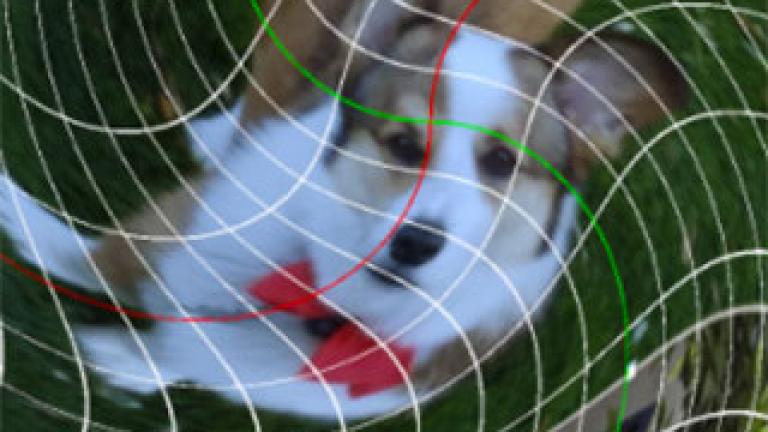
A distorted image of a corgi with distorted graph lines superimposed.
Photo Credit
Image of Philip the corgi courtesy of the instructors.

This class uses revolutionary programmable interactivity to combine material from three fields – Computer Science + Mathematics + Applications – creating an engaging, efficient learning solution to prepare students to be sophisticated and intuitive thinkers, programmers, and solution providers for the modern interconnected online world.

Upon completion, students are well trained to be scientific “trilinguals,” seeing and experimenting with mathematics interactively as math is meant to be seen, and ready to participate and contribute to open source development of large projects and ecosystems.

Climate change is the topical focus for the final third of the course, looking at modeling of climate science phenomena and the dynamics of climate economics.

Instructors: Prof. Alan Edelman, Prof. David P. Sanders, Prof. Charles Leiserson

View course > 

by MIT OCW
Topics
Climate Modeling
Finance & Economics

Related Posts

PostFebruary 9, 2026

PODCAST: Climate Reveal (Season 2, Episode 2) - Climate Modeling

MIT Center for Sustainability Science and Strategy
Podcast: Climate Reveal
PostJanuary 13, 2026

Understanding ammonia energy’s tradeoffs around the world

MIT News
“Before this, there was no harmonized datasets quantifying the impacts of this transition,” says lead author Woojae Shin. “It’s filling a major knowledge gap.”
PostDecember 8, 2025

Where the Ocean and Atmosphere Communicate

MIT Spectrum
Global map showing kilometer-scale ocean turbulence that mix water masses and transport heat, energy, and nutrients.
PostNovember 19, 2025

How a building creates and defines a region

Department of Urban Studies and Planning MIT
Architecture students Vincent Jackow (left) and Aleks Banaś with the models they constructed in their design studio course.

MIT Climate Knowledge in Your Inbox


MIT Groups Log In

Log In

Footer

  • About
  • Terms & Conditions
  • Privacy Policy
  • Accessibility
  • Contact
MIT Climate Project
MIT
  • Instagram
  • TikTok
  • YouTube
  • Simplecast
Communicator Award Winner