Climate
    • What We Know
    • What Can Be Done
    • Climate Primer
    • Podcast
    • Explainers
    • Climate Questions
    • For Educators
    • News
    • Events
    • Resources
  • Search
Search
MIT

Main navigation

    • What We Know
    • What Can Be Done
    • Climate Primer
    • Podcast
    • Explainers
    • Climate Questions
    • For Educators
    • News
    • Events
    • Resources
  • Search
PostApril 27, 2023

Inside Germany’s power struggle over nuclear energy

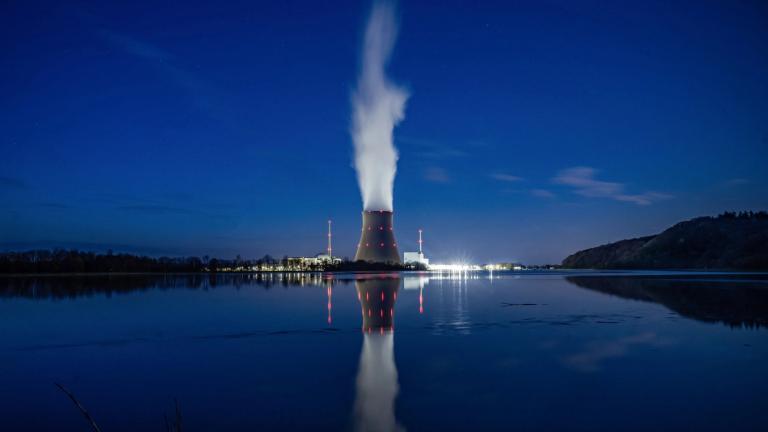
A nuclear power plant at night
Photo Credit
ARMIN WEIGEL/PICTURE-ALLIANCE/DPA VIA AP IMAGES

We’re gathered here today to commemorate the demise of a towering figure in the energy world: nuclear power in Germany. Born: June 16, 1961. Died: April 15, 2023. 

Just a decade ago, Germany was using nuclear power to meet about a quarter of its electricity demand, but now nuclear’s watch is ended. Earlier this month, the nation shut down the last of its nuclear power plants, 60 years after the first one began operation.

The reactions are mixed. Some consider this a victory, cheering as Germany moves away from an electricity source they see as dangerous and flawed. But others see it as a major potential roadblock for climate action—while nuclear plants have been shuttered left and right, coal power has chugged along, providing a huge chunk of the country’s electricity and spewing emissions all the while.

Germany’s true challenge is ahead, as the country tries to meet ambitious climate goals without the steady electricity supply that nuclear provides. The whole situation highlights what I see as a major question in the climate movement today: Where exactly should nuclear fit in? 

Read the full article at MIT Technology Review.

by MIT Technology Review
Topics
Energy
Fossil Fuels
Nuclear & Fusion Energy
Government & Policy

Related Posts

PostSeptember 8, 2026

Political Ideology and U.S. Electric Vehicle Adoption

MIT Center for Energy and Environmental Policy Research
PostSeptember 8, 2026

Study predicts large disparities in access to food, water, and energy in 20...

MIT News
A new study focuses on forecasting future access to food, water, and energy in 2050.
PostAugust 31, 2026

Translating economic growth into better lives

MIT School of Humanities, Arts, and Social Sciences
Enrolling in the DEDP program “has been game-changing,” graduate student Lyonel Tanganco says. “The program provides a solid foundation for understanding the world and how to make a positive, measurable difference in the lives of other people, especially the least fortunate among us.”
PostAugust 18, 2026

Steady Heat, Flexible Power: Flexibility by Proxy in Nuclear-Thermal Energy...

MIT Center for Energy and Environmental Policy Research
rendering of energetic plasma

MIT Climate Knowledge in Your Inbox


MIT Groups Log In

Log In

Footer

  • About
  • Terms & Conditions
  • Privacy Policy
  • Accessibility
  • Contact
MIT Climate Project
MIT
  • Instagram
  • TikTok
  • YouTube
  • Simplecast
Communicator Award Winner