Climate
Search

Main navigation

  • Climate 101
    • What We Know
    • What Can Be Done
    • Climate Primer
  • Explore
    • Podcast
    • Explainers
    • Climate Questions
    • For Educators
  • MIT Action
    • News
    • Events
    • Resources
  • Search
MIT

Main navigation

  • Climate 101
    • What We Know
    • What Can Be Done
    • Climate Primer
  • Explore
    • Podcast
    • Explainers
    • Climate Questions
    • For Educators
  • MIT Action
    • News
    • Events
    • Resources
  • Search
PostJuly 23, 2018

Energy and Environment in American History: 1705-2005

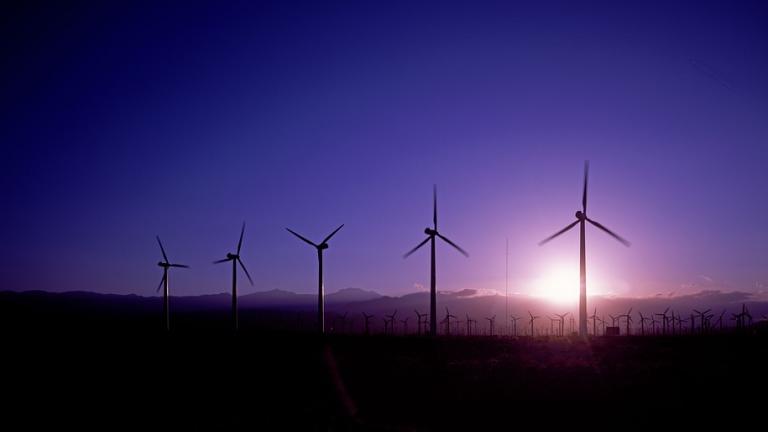
A survey of how America has become the world's largest consumer of energy. Explores American history from the perspective of energy and its relationship to politics, diplomacy, the economy, science and technology, labor, culture, and the environment. Topics include muscle and water power in early America, coal and the Industrial Revolution, electrification, energy consumption in the home, oil and U.S. foreign policy, automobiles and suburbanization, nuclear power, OPEC and the 70's energy crisis, global warming, and possible paths for the future.

Taught By: Prof. Peter Shulman

by MIT OCW
Topics
Energy
Fossil Fuels
Nuclear & Fusion Energy
Renewable Energy
Finance & Economics
Government & Policy

Related Posts

PostApril 6, 2026

Connecting climate and sustainability: Synergies and tradeoffs

MIT Center for Sustainability Science and Strategy
MIT Global Change Forum 48
PostApril 3, 2026

Toward cheaper, cleaner hydrogen production

MIT News
“Creating high-impact technologies is always fun,” says Sobek.
PostApril 2, 2026

MIT researchers measure traffic emissions, to the block, in real-time

MIT News
New work by MIT researchers shows how to generate nearly real-time vehicle emissions information — which can measure the effects of policy changes, such as New York City's congestion pricing.
PostMarch 30, 2026

MIT researchers use AI to uncover atomic defects in materials

MIT News
“There are many good defects, but if there are too many, performance can degrade. This opens up a new paradigm in defect science,” says Mingda Li.

MIT Climate Knowledge in Your Inbox


MIT Groups Log In

Log In

Footer

  • About
  • Terms & Conditions
  • Privacy Policy
  • Accessibility
  • Contact
MIT Climate Project
MIT
  • Instagram
  • TikTok
  • YouTube
  • Simplecast
Communicator Award Winner