Climate
    • What We Know
    • What Can Be Done
    • Climate Primer
    • Podcast
    • Explainers
    • Climate Questions
    • For Educators
    • News
    • Events
    • Resources
  • Search
Search
MIT

Main navigation

    • What We Know
    • What Can Be Done
    • Climate Primer
    • Podcast
    • Explainers
    • Climate Questions
    • For Educators
    • News
    • Events
    • Resources
  • Search
PostJuly 31, 2017

Ecology 1: The Earth System

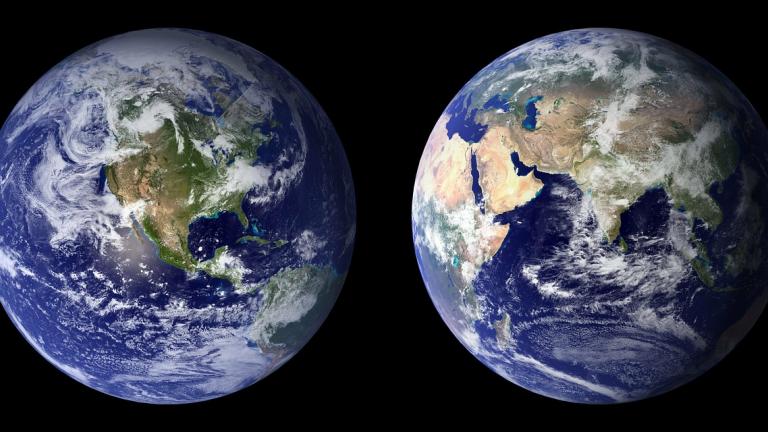
This course will cover fundamentals of ecology, considering Earth as an integrated dynamic system. Topics include coevolution of the biosphere, geosphere, atmosphere and oceans; photosynthesis and respiration; the hydrologic, carbon and nitrogen cycles.

The course examines the flow of energy and materials through ecosystems; regulation of the distribution and abundance of organisms; structure and function of ecosystems, including evolution and natural selection; metabolic diversity; productivity; trophic dynamics; models of population growth, competition, mutualism and predation. This course is designated as Communication-Intensive; instruction and practice in oral and written communication provided. Biology is a recommended prerequisite.

Content highlights: Lecture slides, problems with solutions, sample student projects

Taught By: Prof. Edward DeLong, Prof. Penny Chisholm

by MIT OCW
Topics
Atmosphere
Climate Modeling
Education
Oceans

Related Posts

PodcastOctober 8, 2026

E11: Data centers and the race to power AI (part 2)

Ask MIT Climate Podcast
Ask MIT Climate
PodcastOctober 8, 2026

E10: Data centers and the race to power AI (part 1)

Ask MIT Climate Podcast
Ask MIT Climate
PostSeptember 18, 2026

MIT researchers are mapping extreme weather risks — and building tools to...

MIT News
The  “New World of Weather” project, one of MIT’s five Climate Grand Challenges announced in 2022, is “advancing the science, technologies, and practical strategies needed to help communities anticipate [extreme weather] and build greater resilience,” says MIT Vice President for Energy and Climate Evelyn Wang.
PostSeptember 14, 2026

Marine bacteria team up to break down one of the ocean's toughest carbon-st...

MIT News
No single microbe can break down fucoidan, a tough carbohydrate molecule produced by ocean algae. A team of researchers shows that communities of marine bacteria divide the work instead, offering new insight into how the ocean stores carbon over long periods of time.

MIT Climate Knowledge in Your Inbox


MIT Groups Log In

Log In

Footer

  • About
  • Terms & Conditions
  • Privacy Policy
  • Accessibility
  • Contact
MIT Climate Project
MIT
  • Instagram
  • TikTok
  • YouTube
  • Simplecast
Communicator Award Winner