Description
The eighth season of MIT’s climate change podcast starts next week, and we’ve got some news! TILclimate is now Ask MIT Climate. It’s part of an effort to bring all of our climate change resources under one umbrella and reach learners in as many ways as we can.
We’re also diving into video! Find us on Instagram, TikTok, and YouTube @askmitclimate for outtakes, bonus content, and more climate knowledge from MIT. And we love hearing from our listeners; email us at askmitclimate@mit.edu.
Credits
Aaron Krol, Executive Producer
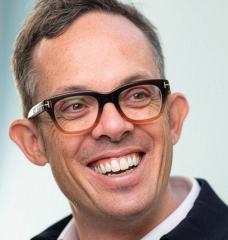
Madison Goldberg, Host and Associate Producer
David Lishansky, Editor and Producer
Music by Blue Dot Sessions
Return to Ask MIT Climate homepage
Transcript
Madison Goldberg: Hey, it’s Madison Goldberg, the new host of MIT’s climate change podcast. Ahead of our eighth season, we have some news: TILclimate is now Ask MIT Climate.
It’s part of a bigger project to bring all our work under one umbrella and reach learners in as many ways as we can. In the next season of the podcast, which starts next week, you’ll continue to hear from scientists and experts—both in sit-down interviews…
Jacopo Buongiorno: The second category is small modular reactors. Now it's a little bit of a misnomer for two reasons. First, because they're not that small. They should be called smaller, and sometimes they're not modular.
Madison Goldberg: …and in the field.
Heidi Nepf: Wow, look at—that’s beautiful sediment. That is, like, spa mud-quality, right there.
Julie Simpson: What quality?
Heidi Nepf: Spa mud. Spa mud.
Madison Goldberg: We’re also launching new social media channels. Find @askmitclimate on TikTok, Instagram, and YouTube for outtakes and bonus content from our episodes, plus more climate knowledge from MIT. And visit climate.mit.edu for our online Q&A series, and to sign up for the Ask MIT Climate newsletter. However you like to learn, we want to help. And stay tuned for our new season starting next week.
Samantha Burgess: We need to ensure that, you know, the generations that come after us are inheriting not only the best science, but also, you know, that we're leaving the planet as well informed and as well adapted as we can.