Climate
Search

Main navigation

  • Climate 101
    • What We Know
    • What Can Be Done
    • Climate Primer
  • Explore
    • Podcast
    • Explainers
    • Climate Questions
    • For Educators
  • MIT Action
    • News
    • Events
    • Resources
  • Search
MIT

Main navigation

  • Climate 101
    • What We Know
    • What Can Be Done
    • Climate Primer
  • Explore
    • Podcast
    • Explainers
    • Climate Questions
    • For Educators
  • MIT Action
    • News
    • Events
    • Resources
  • Search
PostFebruary 22, 2019

Study: Much of the surface ocean will shift in color by end of 21st century

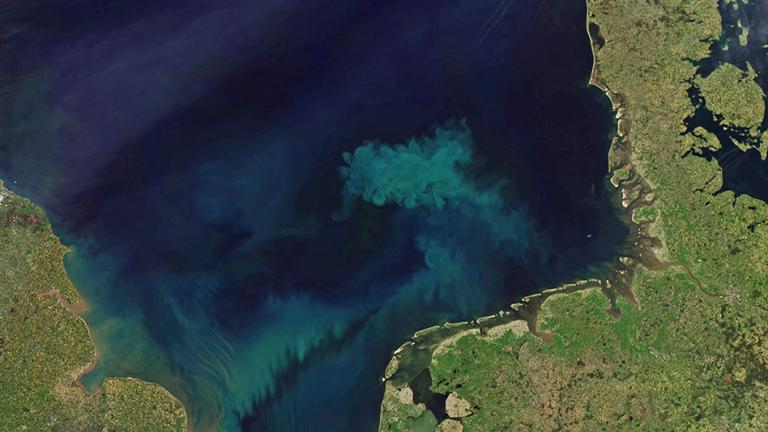
Climate-driven changes in phytoplankton communities will intensify the blue and green regions of the world’s oceans

Climate change is causing significant changes to phytoplankton in the world’s oceans, and an MIT study in the journal Nature Communications finds that over the coming decades these changes will affect the ocean’s color, intensifying its blue regions and its green ones. Satellites should detect these changes in hue, providing early warning of wide-scale changes to marine ecosystems. Read the full article here.

by MIT Center for Sustainability Science and Strategy
Topics
Biodiversity
Oceans
Weather & Natural Disasters

Related Posts

PostJuly 17, 2026

How an influx of salt may affect microbial ecosystems

MIT News
Climate-driven sea level rise is making freshwater ecosystems saltier, and MIT researchers have uncovered how that shift could reshape the microbial communities that sustain rivers and estuaries.
PostJuly 16, 2026

For energy systems that power a reliable grid, the future is all about loca...

MIT News
MIT researchers have created a way to make more climate-informed energy siting choices and shown how it can be used to make energy systems more resilient and reduce blackouts.
PodcastJuly 2, 2026

E9: Dry spells and downpours

Ask MIT Climate Podcast
Ask MIT Climate
PostJune 24, 2026

What happens when environmental change outpaces life’s ability to adapt?

MIT News
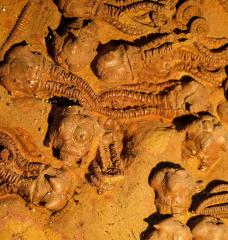
Crinoid fossils from the Permian Period. A new model suggests that the end-Permian and other mass extinctions on Earth may occur when environmental change outpaces the ability of species to adapt.

MIT Climate Knowledge in Your Inbox


MIT Groups Log In

Log In

Footer

  • About
  • Terms & Conditions
  • Privacy Policy
  • Accessibility
  • Contact
MIT Climate Project
MIT
  • Instagram
  • TikTok
  • YouTube
  • Simplecast
Communicator Award Winner