Climate
    • What We Know
    • What Can Be Done
    • Climate Primer
    • Podcast
    • Explainers
    • Climate Questions
    • For Educators
    • News
    • Events
    • Resources
  • Search
Search
MIT

Main navigation

    • What We Know
    • What Can Be Done
    • Climate Primer
    • Podcast
    • Explainers
    • Climate Questions
    • For Educators
    • News
    • Events
    • Resources
  • Search
PostJuly 21, 2021

Cities are scrambling to prevent flooding

Abandoned cars are flooded with water after a 2014 storm in Detroit.

US cities are working to shore up their flood defenses in the face of climate change, building and upgrading pumps, storm drains, and other infrastructure.

In many cases, their existing systems are aging and built for the climate of the past. And even upgrades can do only so much to mitigate the intense flooding that’s becoming more common, leaving cities to come up with other solutions, writes Casey Crownhart for the MIT Technology Review.

Read the full article at: https://www.technologyreview.com/2021/07/20/1029748/cities-infrastructure-prevent-flooding/

Image credits: Joshua Lott/Getty Images

 

by MIT Technology Review
Topics
Adaptation
Cities & Planning
Weather & Natural Disasters
Flooding

Related Posts

PostNovember 2, 2026

PODCAST: Climate Reveal (Season 3, Episode 1) - Tipping Points

MIT Center for Sustainability Science and Strategy
Climate Reveal Podcast
PostOctober 30, 2026

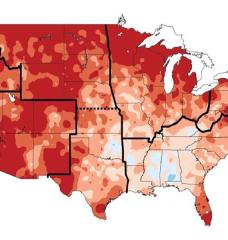
Study pinpoints states with steepest warming trends since 1980

MIT News
A new study reports global-warming-attributed trends in monthly-averaged maximum daily temperature for every U.S. state. Shown here are temperature changes (highest increases in deeper red and dark orange) between 1991 and 2012 compared to the average temperature between 1901 and 1960.
PostOctober 28, 2026

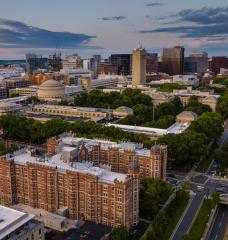
3 Questions: Why infrastructure is entering a defining era

MIT Civil and Environmental Engineering
“Designing infrastructure is a highly transdisciplinary, sociotechnical endeavor, involving social, technical, and economic considerations. Understanding how these systems are designed is increasingly important because they are becoming more complex, making decision-making particularly difficult,” says Ali Jadbabaie, JR East Professor and head of the Department of Civil and Environmental Engineering.
PostOctober 14, 2026

Researchers improve weather forecasts looking two to six weeks out

MIT News
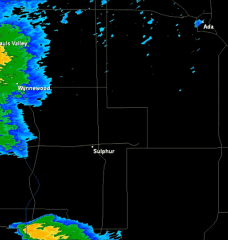
A new technique significantly improves weather forecasting beyond two weeks. The researchers developed a machine-learning model that learns to correct errors in existing forecasting models to improve their output over the two-to-six-week time frame, including for extreme weather events.

MIT Climate Knowledge in Your Inbox


MIT Groups Log In

Log In

Footer

  • About
  • Terms & Conditions
  • Privacy Policy
  • Accessibility
  • Contact
MIT Climate Project
MIT
  • Instagram
  • TikTok
  • YouTube
  • Simplecast
Communicator Award Winner